Archive

Tag Archives: vintage photography

There is no identification on the back of this small, standard sized photobooth photo. It came from the USA via Ebay, which makes me assume these are US Navy boys. I think it could come from pretty much any time from WW2, right up to the 1970s as this type of uniform seems to have changed little over that period. My one worry about designating the clothes US Navy kit, is that these collars do not have the stripes that are on all the other examples I can find online.

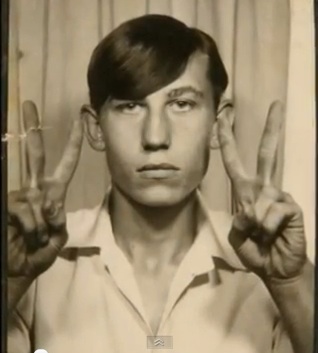
What an extraordinary face and one hell of a “do”. This pic is from the USA and looks to me to date from the late 1960s.

Can’t make out what the writing on the back is about. I can read 2361 Lake but the rest of it I cannot read. Is it an address?

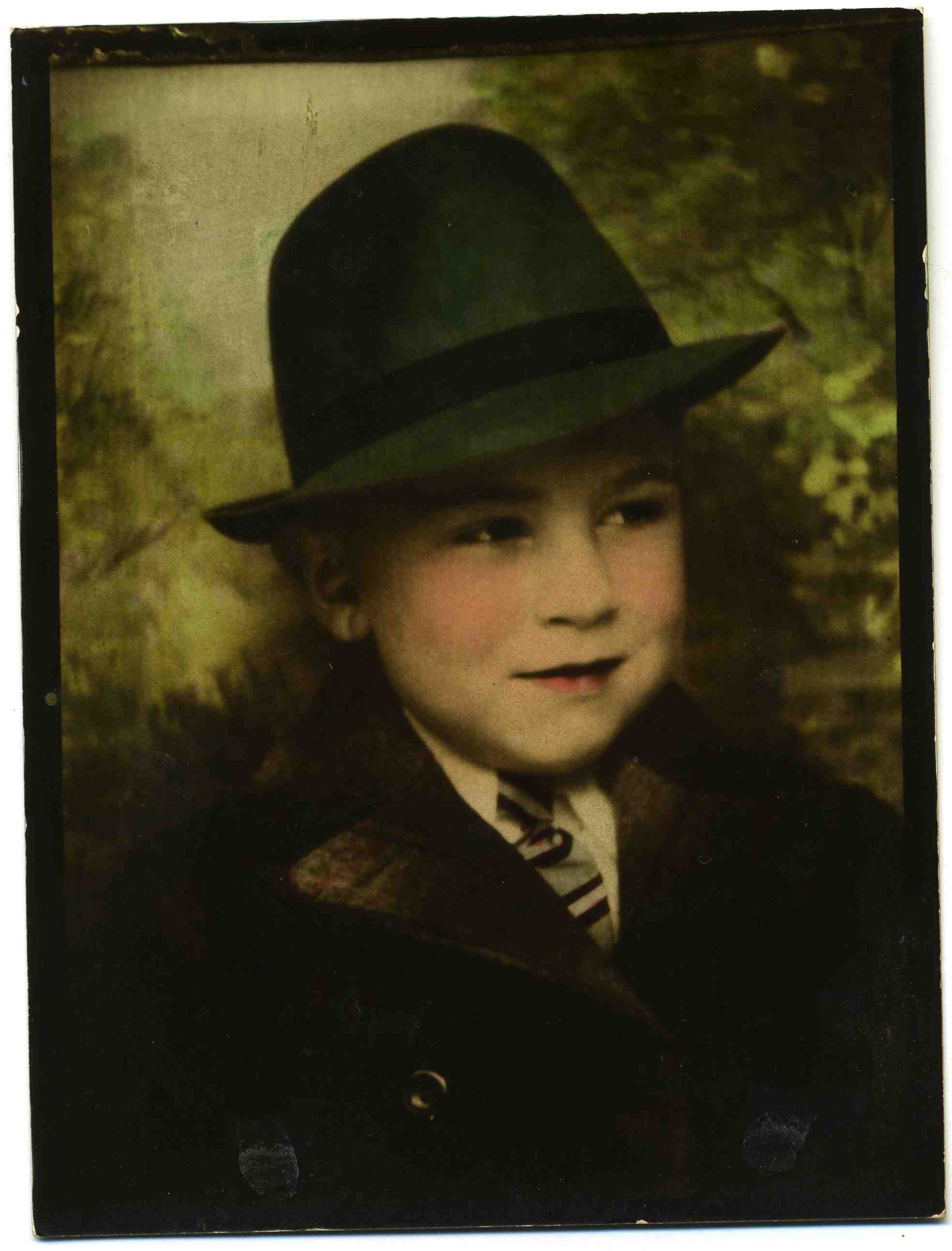
Like the similar photo that I published on 31 October, this 110 x 80 mm photobooth photograph is probably an enlargement made in a photographic store that had in-shop photobooths as part of their business.

There is no connection between this photo and the other in terms of provenance. However they are very similar in terms of scale, subject and outfit. Both boys are wearing uncommonly adult hats, heavy overcoats and formal neckwear. Photographer and blogger Alessandro Ciapanna commented that often photo studios kept props of all sizes on hand to lend to the subjects/customers for the shoot. Initially I thought he meant the hats only, but maybe the coats and ties could also have been props?

Alessandro also commented on the other post that “he looks like a small mobster”. Thus the title of this post was born. One or two other pics may well be added to this blog in future, to a new series called Mini-Mobsters.

Still unsure what type of hat this is despite searching in Google images for Homburg, Trilby etc …

This strip of photos was rescued from a rubbish bin beside a now defunct photobooth at Luna Park, Melbourne on the 6th of November 1998.

This 110 x 80 mm photobooth image is probably an enlargement from a standard sized smaller original. Photobooth machines were originally to be found in photographic studios that offered extra services such as framing, hand colouring and enlarging of your strip of pictures.

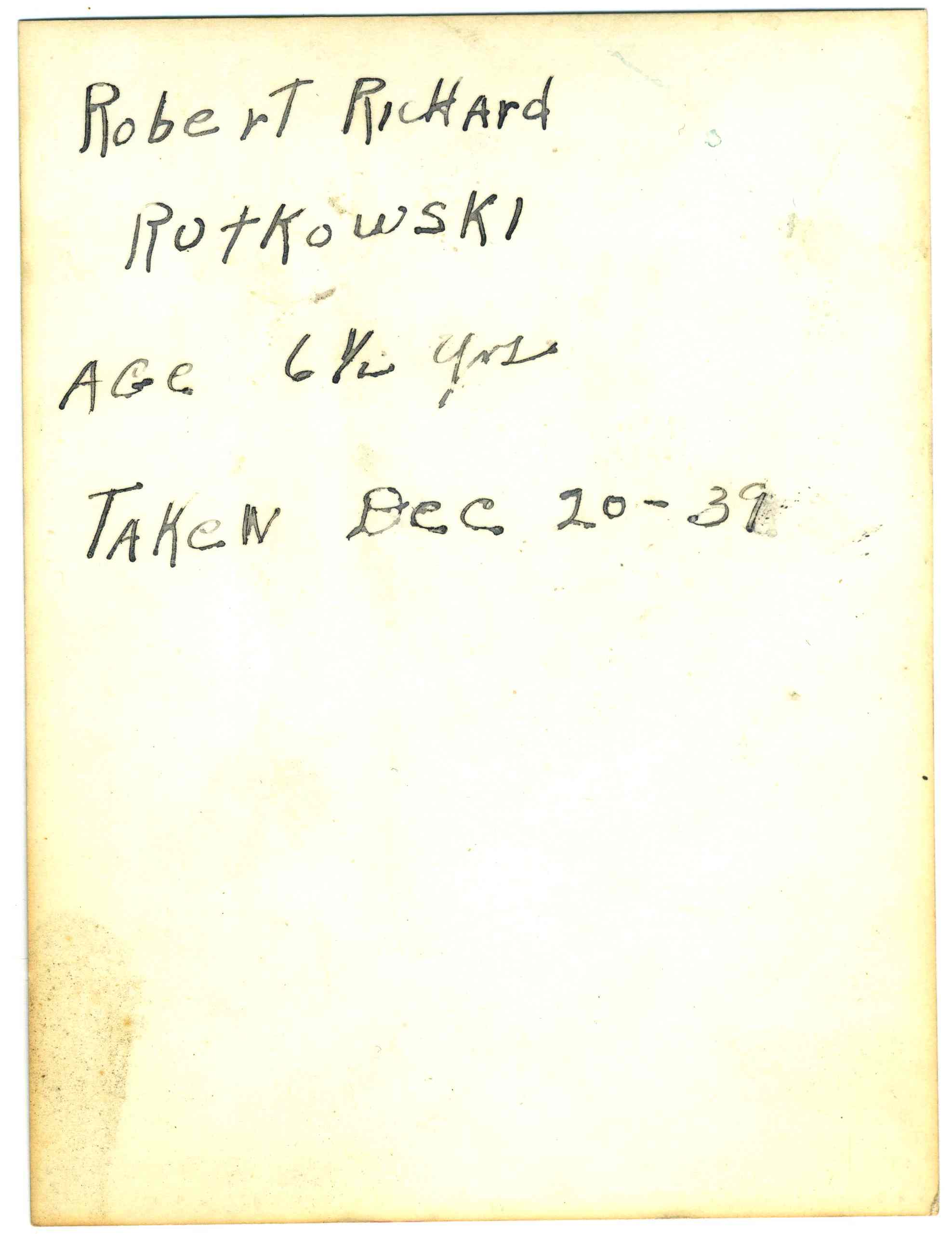
Being only 6 1/2 years old I imagine Robert Richard Rotowski’s hat was worn only for the sake of this photo. However, given that it fits so well and he is generally so finely dressed, it may have been a hat he wore regularly. I have another hand coloured image of another boy wearing the same type of hat, from the same era. Maybe it was the fashion for kids to dress like their da’s back then?

If anyone can tell me the name of this type of hat, I’d be grateful! Is it a homburg, a trilby or something else?

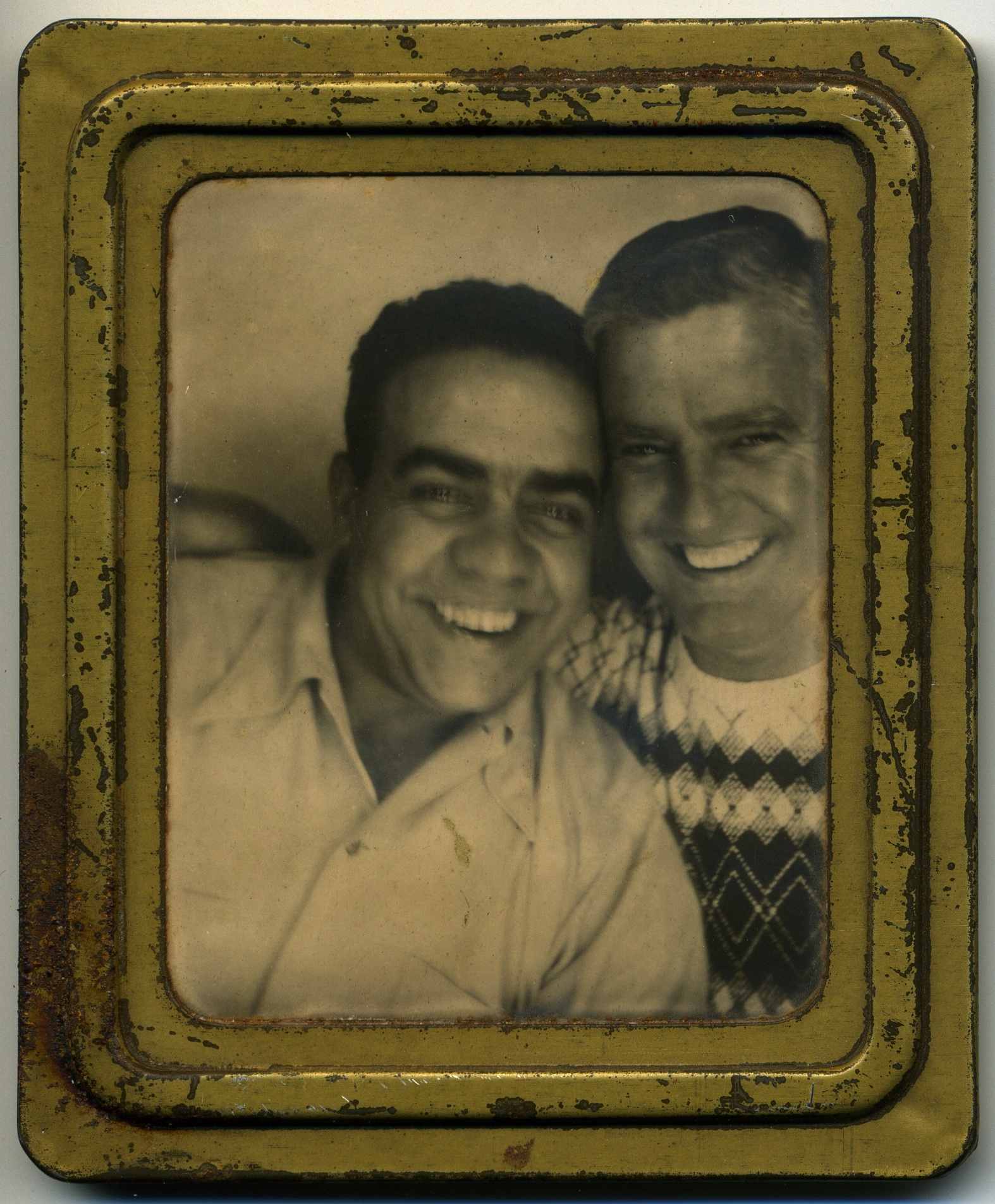
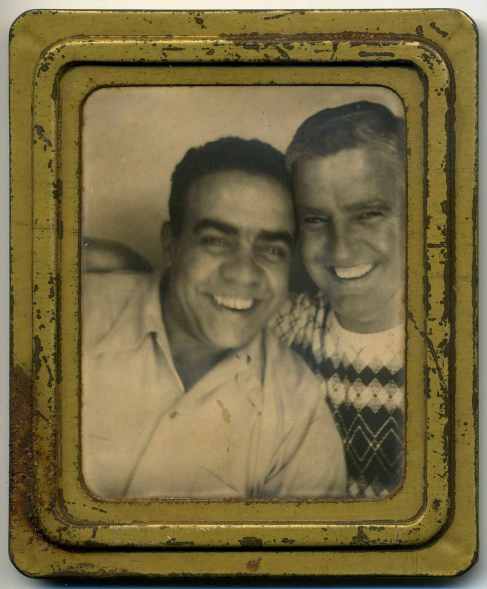
This fabulous photomatic booth photo of what appears to me to be a father and son, was listed as a “gay interest” item in its online advertisement.  I find this type of description interesting and confusing. If any photo has two men in it, looking happy or like they may be good friends, online sellers love to throw in that tag. Similarly the “lesbian interest” tag is often used if two women are depicted. Why do we never see “straight interest” listings? Do gay/lesbian people search for the “gay/lesbian interest” tag? If they do are they horribly disappointed with what they find?

Scott Davis from dcphotoartist has looked at this issue in an eloquent article, some of which is quoted below. One of Scott’s collecting interests is cabinet cards of the Victorian Era.

Another marketing trend I find a bit odd is the whole “gay interest” tag in the image description. On one level, I get it – the seller is trying to reach out to an under-appreciated market. On the other hand, I question if the people using that tag line understand the “gay interest” thing at all. Two men or two women posing together in the Victorian world did not make them a same-sex couple. They could be siblings, co-workers or just friends. 99% of the time we have zero context to go with any image to make an assessment of the relationships captured in the images. There was no public subculture in the 1850s or even in the 1880s that we would today recognize as analogous to the late 20th/early 21st century gay culture, and as such it would not have been recorded photographically. There is certainly an interest in finding proof of ancestry – “see, we DID exist in the 1850s”. Unfortunately, buying in to the “gay interest” marketing of these images is really just being taken for a ride through ignorance and vulnerability. Don’t get me wrong – it’s certainly fun to speculate what might have been going on behind the scenes of these pictures, and what the relationships of the sitters might be to one another. I have one image in my collection that in the right minds implies no end of off-camera highjinks. But it’s still pure speculation. If you see an image marked “gay interest”, buy it only because you actually like the image, not for any marketing baloney designed to separate more of your hard-earned money from you than is fair.

I would argue that these points are equally relevant for many photos up to the 1950s and beyond. In another article Scott continues –

The “Gay Interest” label is a purely 21st century invention for marketing purposes, imposing our sensibility on an image of something that may (and quite probably) have had nothing at all to do with the modern sensibility. It points out a very interesting problem/characteristic of the malleability of truth – there was a “Truth” behind each of those photos, one we can never know because it was unrecorded or became detached from the image. When we come along years later and invent or imagine a story revealed by the image, is it any less real than the story the image intended to tell at the time of its creation? It certainly says more about us in the 21st century and how we interpret these images than it does about the people in them, but in doing so, does it actually help make the images more relevant and meaningful, and continue their survival? 

Please click the links above or here to visit Scott’s blog. He has some fabulous ideas and images to share.

Could this be the same little girl from Read More

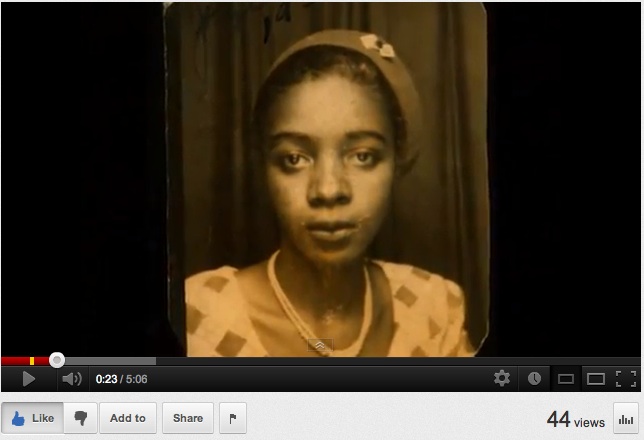
Grab from Vintage Photobooth by KeepOnTruckin100 on YouTube

I found this video posted on YouTube today. The photobooth images are fabulous. The music is by Badly Drawn Boy.  The author is KeepOnTruckin100. A lovely piece of work.

A grab from the video.

And another.

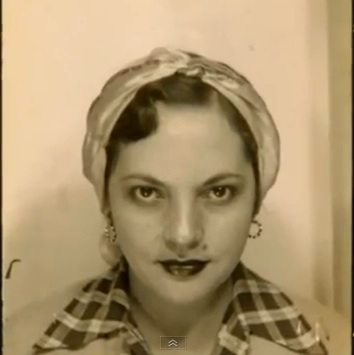
I love these two images from 1930s Germany. They remind me of my maternal grandmother who had a fondness for fox in the same era in Australia. I wore her arctic fox fur muff and matching stole to many costume parties when I was in my late teens.

She also had a grey fox stole whose little mouth was a clip that attached to the tail, as it seems to do in this lady’s example. Despite the fact they are desperately not PC, I mourned their loss when I discovered they had moulted completely while in storage during one of my forays overseas.

Looking at this woman I uncharitably mentioned to a friend that she looked a bit like a fox, but my companion could not agree. “Nope, Kat, not a fox. Definitely a ferret.” Either way we agree that she has something of a small furry creature about her, that ties in well with her fashion choice.

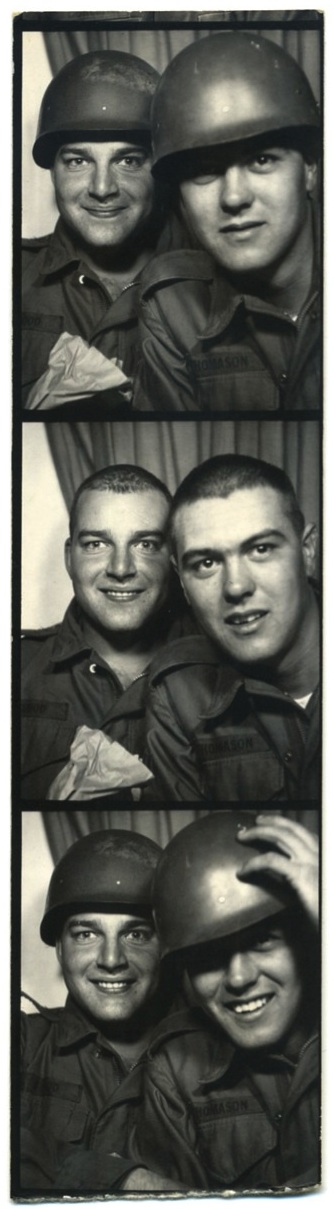
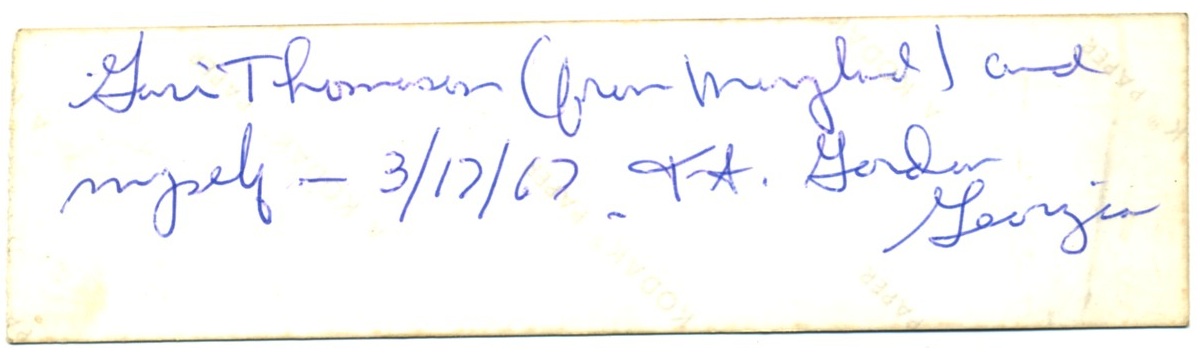
This strip of photos was bought online. This photo’s date puts it smack in the middle of the US involvement in the Vietnam conflict at a time when President Lyndon B Johnson had escalated military involvement (1963 – 1969). Not mentioned in the listing was the fact that one of the soldiers is identified on the back and that they were training at Fort Gordon, Georgia making this a particularly interesting group of photos.

I am hopeful that both the lads in this great record of comaradery survived the war. I am not sure that I have interpreted the handwriting correctly but I am glad to say that no Tomsen, Thompson or any other spelling variation of that name, who also came from Maryland, is listed as a casualty at the Vietnam Veterans Memorial website.