Archive

Tag Archives: vintage photobooth

I made a gif!

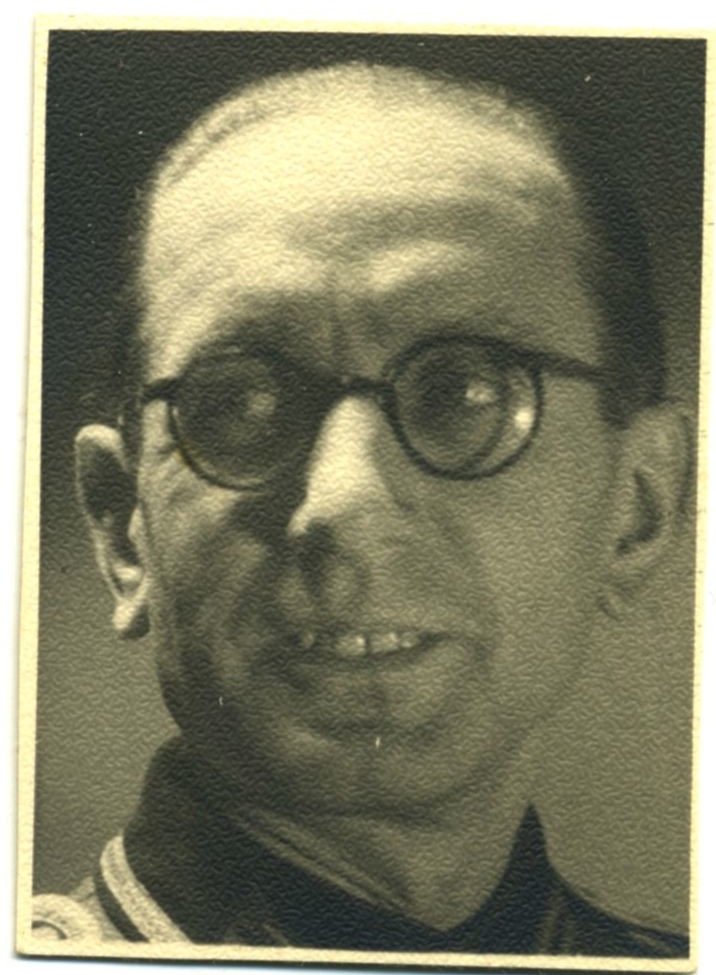
Emulsion is peeling from the surface; there are cracks and tears in the paper. Although this photobooth picture is in very poor condition, as part of a series of photos of a German man over a lifetime, it is important to me to preserve as it shows him at him youngest.

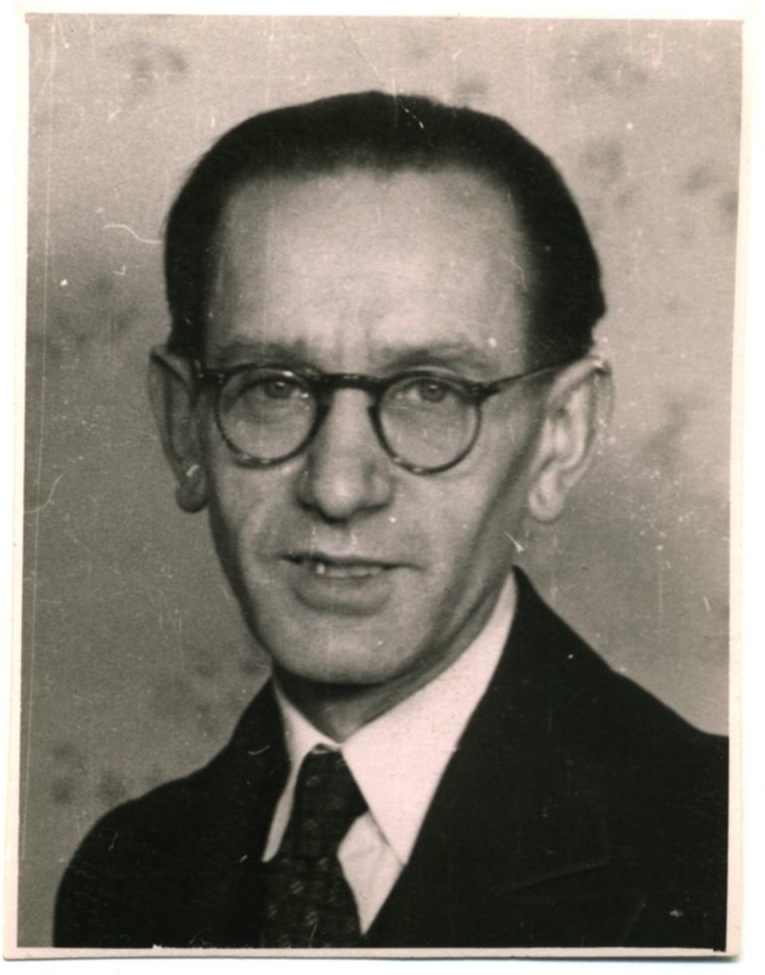
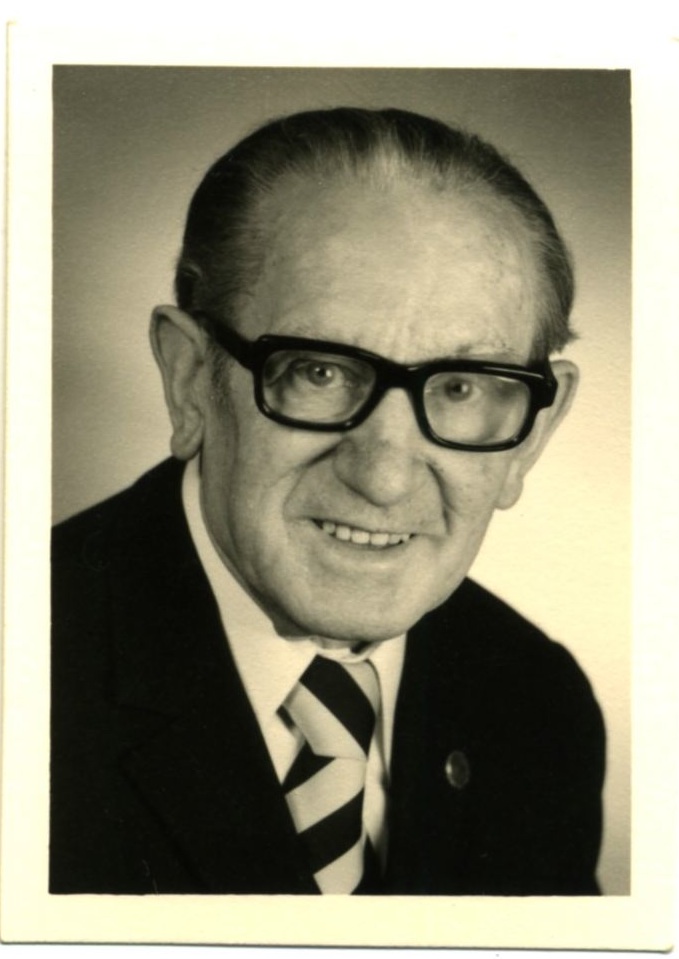
I was in two minds whether to include so many non-photobooth photos here at Photobooth Journal. I would normally link the booth pic to another post of the rest of the photos on my other blog at Mugshots and Miscellaneous. However, I was inspired by a post at Ian Phillips’s illustration site of photos of one young man through various sittings and in various fashionable attire. Whether the images cover a long period of time, as shown here, or a much shorter period there is some fascination in following more than one moment of a person’s life, sliced out of time by a photograph.

Ian Phillips also has another fabulous vintage photo blog called Swimming in Pictures that I highly recommend for a squiz.

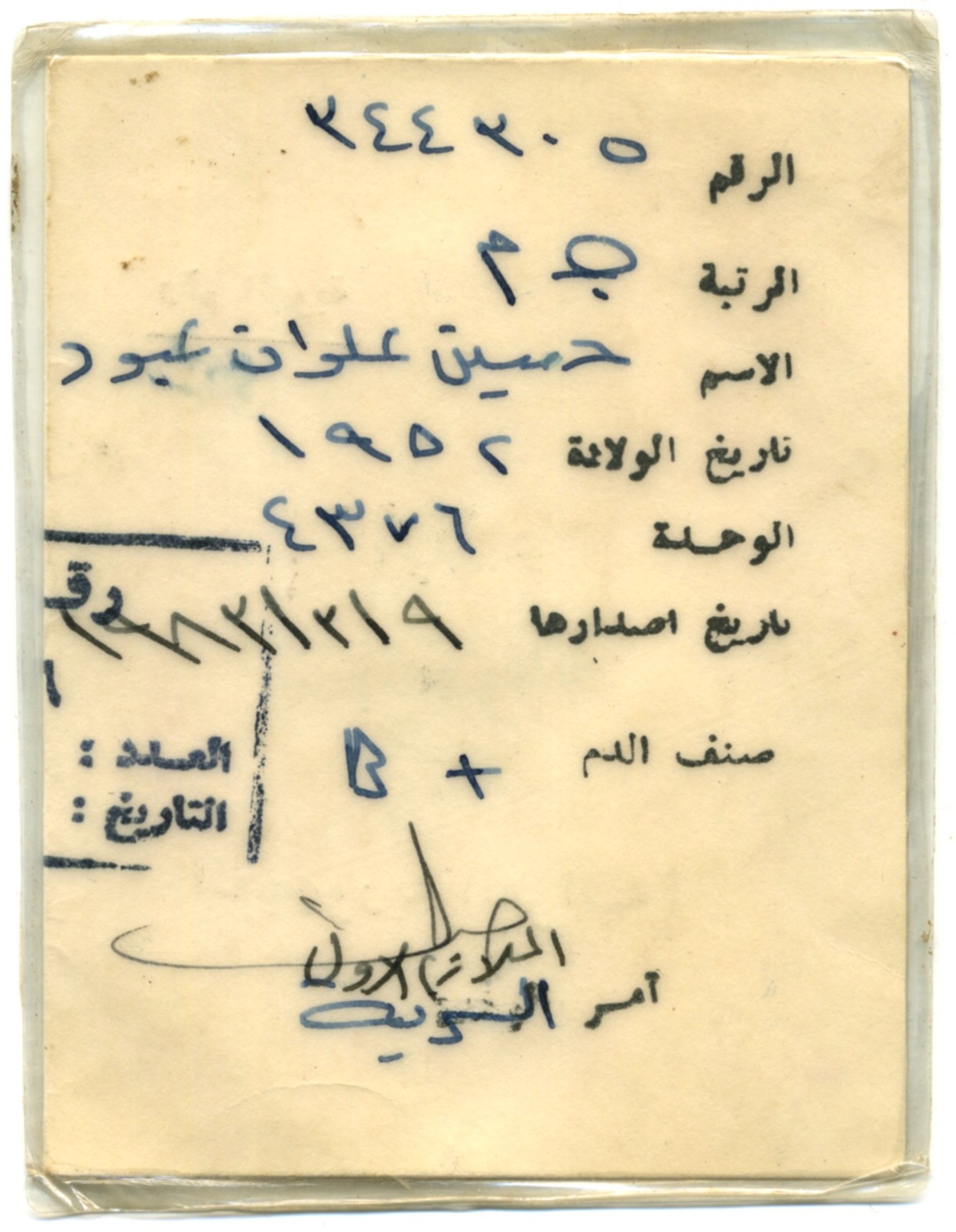
I bought this item under the title Original Saddam Era Military Identity Card From Iraq. Not being able to read the arabic script, there is no easy way for me to ascertain whether that statement is true. Regardless of its authenticity, it is an unusual item that shows the wide international usage and popularlity of the photobooth.

The fact that the gent in the booth is sporting a fabulous tache also makes for a great means of celebrating and promoting Movember. This charity fundraising event started its meteoric rise to international acclaim in a pub in Adelaide, South Australia in 1999. So you Mo Bros out there, how is yours growing and which charity are you supporting this year?

The lady on the left seems more familiar with the photobooth process than her friend, who appears to be struggling with where to look and how to pose. In the last frame the realisation of the absurdity of her cluelessness takes full effect in an outburst of mutual laughter, making a delightful record of shared experience and friendship.

The quality of this strip isn’t great. It has either been left exposed to direct sunlight for an extended period or was not washed properly in the machine during processing. This item came from the USA and appears to date from the 1950s

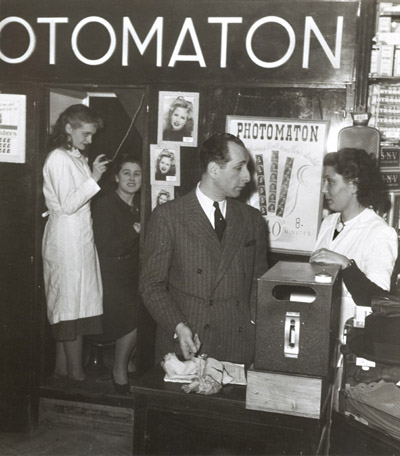
A vintage photobooth machine in action. This picture shows a booth installed in a shop, that appears to be a chemist or some type of general store. You can see examples of the types of options one had to get a booth photo enlarged and the white coated operator who directed the sitters to move and pose at different angles for each shot.

There is no identification on the back of this small, standard sized photobooth photo. It came from the USA via Ebay, which makes me assume these are US Navy boys. I think it could come from pretty much any time from WW2, right up to the 1970s as this type of uniform seems to have changed little over that period. My one worry about designating the clothes US Navy kit, is that these collars do not have the stripes that are on all the other examples I can find online.

What an extraordinary face and one hell of a “do”. This pic is from the USA and looks to me to date from the late 1960s.

Can’t make out what the writing on the back is about. I can read 2361 Lake but the rest of it I cannot read. Is it an address?

Like the similar photo that I published on 31 October, this 110 x 80 mm photobooth photograph is probably an enlargement made in a photographic store that had in-shop photobooths as part of their business.

There is no connection between this photo and the other in terms of provenance. However they are very similar in terms of scale, subject and outfit. Both boys are wearing uncommonly adult hats, heavy overcoats and formal neckwear. Photographer and blogger Alessandro Ciapanna commented that often photo studios kept props of all sizes on hand to lend to the subjects/customers for the shoot. Initially I thought he meant the hats only, but maybe the coats and ties could also have been props?

Alessandro also commented on the other post that “he looks like a small mobster”. Thus the title of this post was born. One or two other pics may well be added to this blog in future, to a new series called Mini-Mobsters.

Still unsure what type of hat this is despite searching in Google images for Homburg, Trilby etc …

This strip of photos was rescued from a rubbish bin beside a now defunct photobooth at Luna Park, Melbourne on the 6th of November 1998.

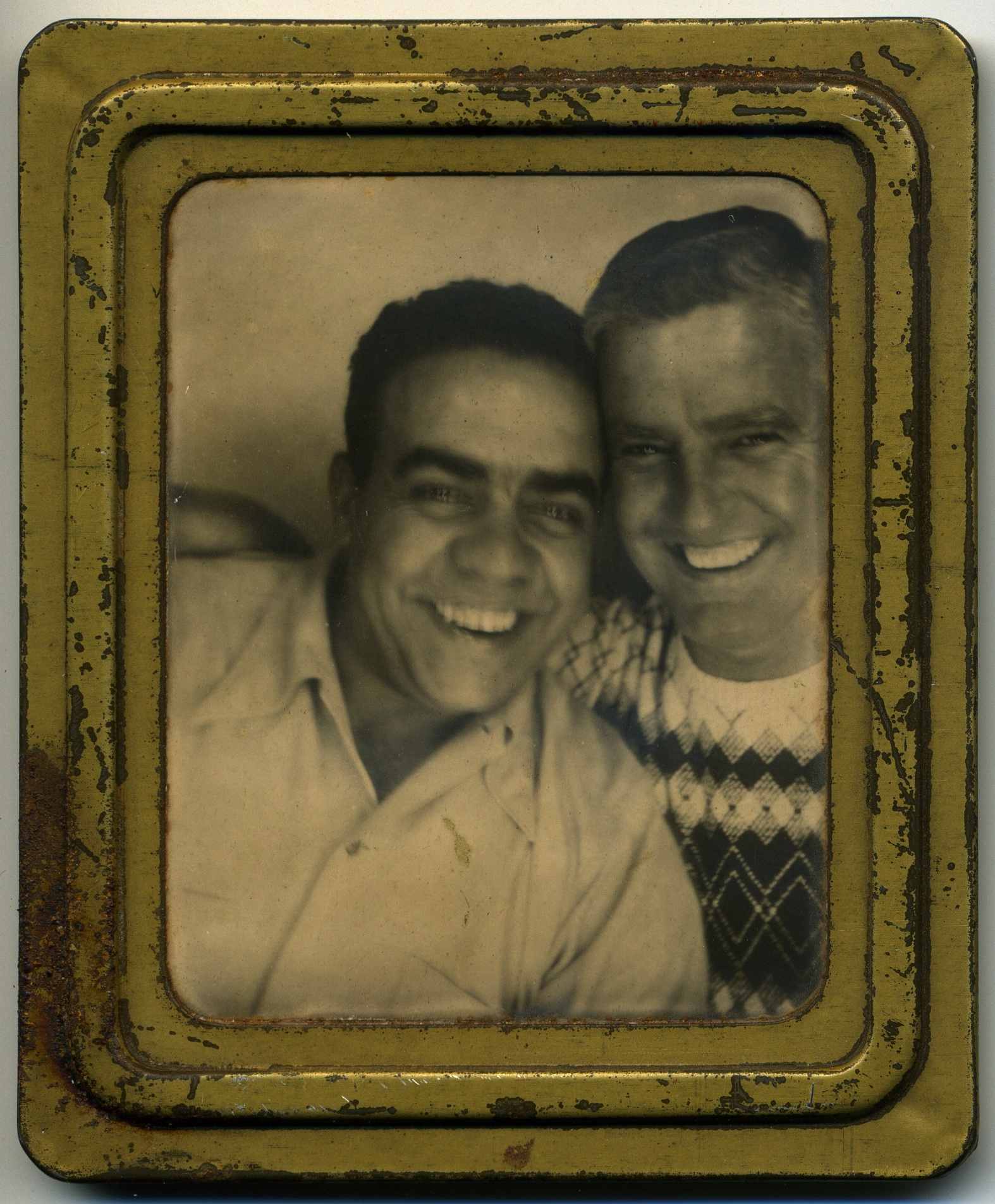
This fabulous photomatic booth photo of what appears to me to be a father and son, was listed as a “gay interest” item in its online advertisement.  I find this type of description interesting and confusing. If any photo has two men in it, looking happy or like they may be good friends, online sellers love to throw in that tag. Similarly the “lesbian interest” tag is often used if two women are depicted. Why do we never see “straight interest” listings? Do gay/lesbian people search for the “gay/lesbian interest” tag? If they do are they horribly disappointed with what they find?

Scott Davis from dcphotoartist has looked at this issue in an eloquent article, some of which is quoted below. One of Scott’s collecting interests is cabinet cards of the Victorian Era.

Another marketing trend I find a bit odd is the whole “gay interest” tag in the image description. On one level, I get it – the seller is trying to reach out to an under-appreciated market. On the other hand, I question if the people using that tag line understand the “gay interest” thing at all. Two men or two women posing together in the Victorian world did not make them a same-sex couple. They could be siblings, co-workers or just friends. 99% of the time we have zero context to go with any image to make an assessment of the relationships captured in the images. There was no public subculture in the 1850s or even in the 1880s that we would today recognize as analogous to the late 20th/early 21st century gay culture, and as such it would not have been recorded photographically. There is certainly an interest in finding proof of ancestry – “see, we DID exist in the 1850s”. Unfortunately, buying in to the “gay interest” marketing of these images is really just being taken for a ride through ignorance and vulnerability. Don’t get me wrong – it’s certainly fun to speculate what might have been going on behind the scenes of these pictures, and what the relationships of the sitters might be to one another. I have one image in my collection that in the right minds implies no end of off-camera highjinks. But it’s still pure speculation. If you see an image marked “gay interest”, buy it only because you actually like the image, not for any marketing baloney designed to separate more of your hard-earned money from you than is fair.

I would argue that these points are equally relevant for many photos up to the 1950s and beyond. In another article Scott continues –

The “Gay Interest” label is a purely 21st century invention for marketing purposes, imposing our sensibility on an image of something that may (and quite probably) have had nothing at all to do with the modern sensibility. It points out a very interesting problem/characteristic of the malleability of truth – there was a “Truth” behind each of those photos, one we can never know because it was unrecorded or became detached from the image. When we come along years later and invent or imagine a story revealed by the image, is it any less real than the story the image intended to tell at the time of its creation? It certainly says more about us in the 21st century and how we interpret these images than it does about the people in them, but in doing so, does it actually help make the images more relevant and meaningful, and continue their survival? 

Please click the links above or here to visit Scott’s blog. He has some fabulous ideas and images to share.